
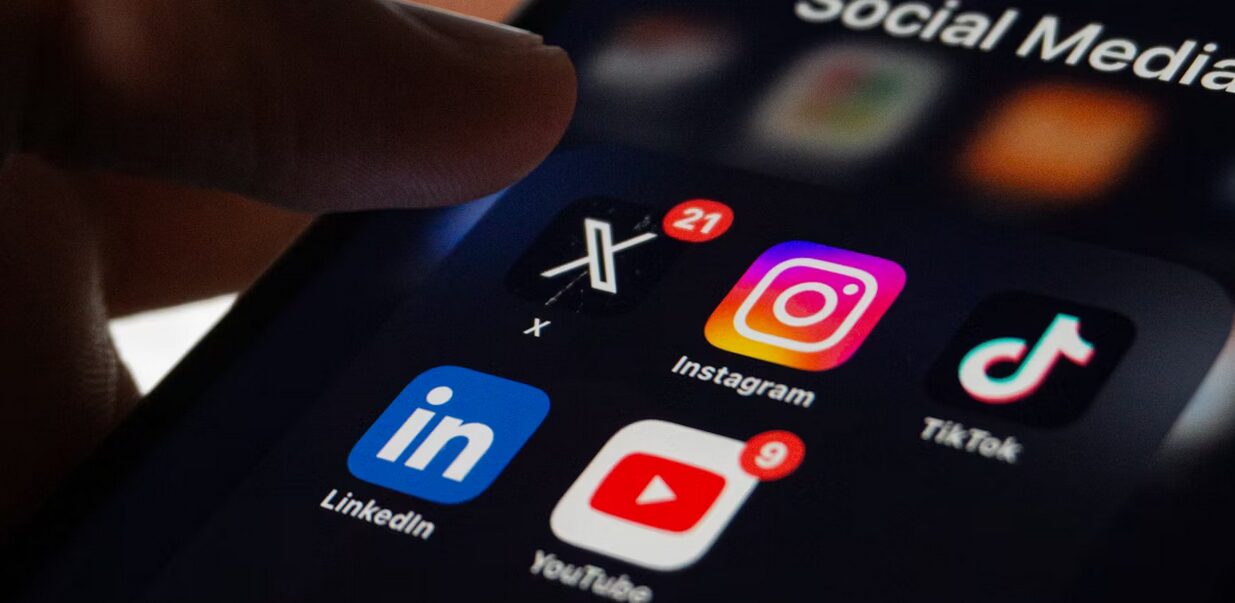
We’ve all been there. You open the App Store, type in “productivity,” and start downloading the latest trendy tool promising to turn your chaotic schedule into a symphony of efficiency. Notion, Todoist, Trello, Obsidian—if it’s got a clean UI and syncs across devices, it’s worth a try, right?
But here’s the uncomfortable truth: if you’ve downloaded three productivity apps in the last month, your issue isn’t technology—it’s attention. In a world that trains us to switch focus every few seconds, no app can save you if you can’t stay with a task long enough to complete it. Let’s talk about why your brain, not your software, needs an upgrade.
The App Graveyard: A Symptom of Distraction
Take a quick scroll through your phone. How many productivity apps are sitting there, untouched after a week of hype? It’s easy to believe that a new system will finally help you “get it together.” But most of the time, we’re just outsourcing our focus to tools, hoping they’ll do the work for us. When the novelty wears off, so does our motivation. This cycle of downloading and ditching apps isn’t helping us focus—it’s helping us avoid the hard part: doing the work.
Attention Span Is a Muscle—And Most of Us Are Out of Shape

Think of your attention like a muscle. The more you use it deliberately, the stronger it gets. But if you’re constantly switching between texts, emails, Slack, and TikTok, you’re not just multitasking—you’re training your brain to be unfocused. Building focus takes intentional practice, and there’s no app for that. You have to sit in the discomfort of concentration and resist the urge to jump to something new every 30 seconds.
The Illusion of Productivity Through Tools
Apps can be incredibly helpful—but only when used with intention. Far too often, we use them to simulate productivity. Color-coding your calendar or moving tasks around in your digital to-do list feels like work, but it’s really just procrastination in disguise. Real productivity happens when you actually complete the deep, sometimes boring, but always necessary work that moves things forward.
Dopamine Isn’t Helping

Every time you check your phone, your brain gets a tiny hit of dopamine. That reward system trains us to crave novelty and constant stimulation. So when you sit down to do focused work—reading, writing, coding, designing—it feels dull by comparison. That’s not because the work isn’t meaningful; it’s because your brain is used to a constant stream of instant gratification. Building focus means rewiring those patterns, and it’s tough. But it’s the only way to create space for meaningful, uninterrupted thought.
What to Do Instead of Downloading Another App
If you find yourself about to download another productivity tool, pause and ask yourself: “What am I avoiding?” Nine times out of ten, the answer is focus. Instead of switching apps, try setting a 25-minute timer and working on one thing—just one—without switching tabs, checking your phone, or “researching” something unrelated. It’s surprisingly difficult. And that’s the point. You don’t need a better system; you need better focus.
There’s nothing wrong with using tools to stay organized. The problem arises when you rely on those tools to compensate for a lack of focus. No system or software can substitute for the discipline of sustained attention. The next time you feel the itch to switch apps, remember: your brain is the most powerful tool you have—but only if you train it to focus.